Spiritual but not religious is a phrase that has become part of everyday language for millions of people around the world. It signals a stance that emphasizes an inner sense of meaning, awe, and moral concern without subscribing to the organized structures, creeds, or institutional authority typically associated with formal religion. For some, this label describes a personal journey that borrows practices, words, or ideas from various traditions without committing to a single tradition. For others, it represents a consciously secular or secularizing approach to transcendence, mystery, and purpose. In any case, the core idea is not a rejection of meaning, but a rethinking of where that meaning comes from and how it is practiced in daily life.
When people ask what it means to be spiritual but not religious, they are often asking about two intertwined questions: what is real or meaningful to me and how should I live—and how these questions can be answered without binding faith to a specific church, temple, or creed. This article explores the many shades of meaning that accompany this stance, how it has evolved in contemporary society, and what it looks like in practice across different contexts.
The spectrum of meaning: from inner life to social life
To understand spiritual but not religious, it helps to map out several overlapping dimensions that people often experience simultaneously. While no single person will hold every aspect in equal measure, recognizing these dimensions helps illuminate the breadth of what the phrase can include.
Inner experience and personal sense of meaning
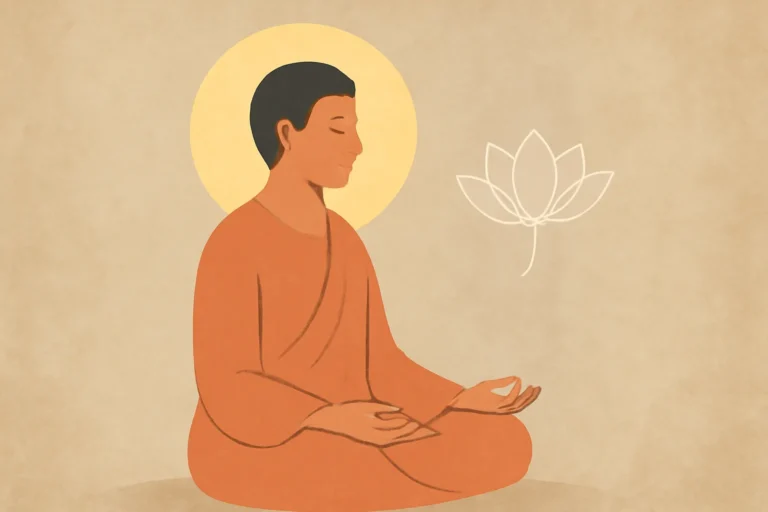
Most people who identify as SBNR emphasize an inner life—moments of awe, tempering fear, a sense of connectedness, or an intuitive feeling that there is more to existence than what can be measured by science alone. This inner life may involve meditation, quiet reflection, journaling, or contemplative practices that cultivate mindfulness and presence. The emphasis is often on a felt sense of significance rather than doctrinal certainty.
Ethics, values, and moral orientation
Ethical concerns are central to many people who describe themselves as spiritual but not religious. They may adopt a universalist outlook—believing that some moral teachings are universally true—or a pluralist approach, recognizing that different cultures articulate closely related values in distinct ways. In practice, this can translate to commitments to compassion, nonviolence, integrity, service, and social justice, even in the absence of a specific religious commandment.
Rituals without dogma
Rituals are not exclusively the domain of organized religion. A person who is SBNR might create or adapt rituals to mark life events, seasons, or personal intentions. These rituals can include lighting a candle for a quiet moment of reflection, walking a labyrinth, listening to music that moves the heart, or taking a mindful pause before meals. The key distinction is that these rituals are chosen and meaningful because of their personal resonance, not because they are prescribed by a religious authority.
Connection to nature and the cosmos
Many individuals find a sense of spirituality through nature: the vastness of the night sky, the changing seasons, the sound of waves, or the quiet of a forest. This kind of connection is often described as transcendent awareness or a sense of being part of a larger whole. It can be experienced in a secular or secular-leaning context, and it often fosters environmental stewardship and a sense of responsibility toward future generations.
Mysticism and the sense of mystery
Even without adherence to a specific faith, some people report experiences that feel mystical: moments when time slows, a felt sense of unity with others, or encounters that resist easy explanation. For some, these experiences are framed as personal encounters with the sacred or with a sense of absolute meaning, even if they do not describe that experience using a particular religious vocabulary.
Historical roots and contemporary turning points
The idea of a spirituality separate from organized religion is not new, but its form and resonance have shifted with social and cultural change. In different eras, people have found ways to nurture meaning, community, and moral orientation outside the traditional religious framework. The contemporary version of SBNR is shaped by several forces:
Increasing religious diversity and pluralism, which makes it harder to claim a single truth for everyone in a given community.
Critiques of institutional authority, scandals, and debates about the relevance of conventional religious institutions in modern life.
Advances in psychology, mindfulness research, and secular spirituality that offer practical tools for inner life without doctrinal commitments.
Digital connectivity, which enables cross-cultural exposure to spiritual ideas and the formation of online communities centered on shared practices rather than shared creeds.
In many ways, spiritual but not religious reflects a search for authenticity in a pluralistic world. People want to preserve what feels true and valuable to them while letting go of what feels exclusive, coercive, or outdated. This has led to a more deliberate distinction between personal spirituality and institutional religion, even as many individuals blend the two in practice.
Common ways people describe themselves as spiritual but not religious
There is no single template for SBNR. The following categories capture some of the most frequently reported orientations, while recognizing that individuals often mix elements from several categories:
Non-theistic spirituality: A sense of sacred meaning or moral purpose without belief in a personal deity. This often centers on humanistic ethics, compassion, and the wonder of existence.
Theistic-but-optional beliefs: A belief in a higher power or ultimate reality, but with flexible or personal interpretations rather than adherence to a formal doctrine.
Nature-based spirituality: A reverence for the natural world as a doorway to the sacred, frequently linked to environmental ethics and ecological responsibility.
Mindfulness and contemplative practice: An emphasis on interior practices—breathwork, meditation, contemplation—that cultivate awareness, equanimity, and insight.
Ethical universalism: A commitment to universal moral values—dignity, justice, compassion—shared across diverse traditions and secular frameworks.
Ritualcraft and personal liturgy: Creating personalized ceremonies, meditations, or rituals that help structure inner life and life events.
Inclusive community engagement: Seeking belonging and shared purpose through open, non-creedal communities, service, and dialogue rather than dogmatic adherence.
How being spiritual but not religious shapes daily life
For many people, SBNR informs choices in work, family, and community life. The practical implications can be subtle or pronounced, depending on personal priorities and circumstances. Below are several common manifestations that illustrate how this stance translates into everyday behavior.
People who prioritize inner life and ethical clarity may focus on empathy, active listening, and nonjudgmental presence in relationships. They may seek conversations about purpose and meaning, but without presuming a shared religious vocabulary. In conflicts, they might appeal to universal values such as fairness, respect for autonomy, and the golden rule interpreted in contemporary terms.
Work and civic life
In the workplace and public life, SBNR often translates into an ethic of service, integrity, and mindfulness. Some individuals pursue careers in helping professions, education, science, or the arts precisely because they see work as a path to meaning and a way to contribute to the common good. Disclosures about personal beliefs may be selective, focusing on values rather than doctrinal claims.
Parenting and family rituals
Parents who identify as SBNR may choose to expose their children to a range of spiritual ideas while avoiding religious coercion. They might create inclusive family rituals, celebrate diverse cultural holidays, and cultivate questions about transcendence in age-appropriate ways. The goal is often to foster moral development, curiosity, and compassion rather than to instill doctrinal conformity.
Coping, resilience, and meaning-making
During times of loss, uncertainty, or crisis, a spiritual but not religious framework can offer resilience through mindfulness, friendship, and a sense of belonging to something larger than oneself. Meaning can emerge from acts of kindness, creative expression, or a commitment to ongoing growth—without requiring allegiance to a specific institution.
Misunderstandings and clarifications
despite its increasing visibility, SBNR is sometimes misunderstood. Clarity about what the label does and does not imply can help foster respectful dialogue and avoid stereotypes.
Not anti-religion: Being SBNR does not automatically equate to hostility toward religion. Many people honor religious traditions for their communities, rituals, and wisdom while choosing a personal path that does not require membership in any one tradition.
Not a rejection of morality: Critics sometimes assume that a lack of dogma means a lack of values. In reality, many SBNR individuals articulate a robust ethical framework grounded in empathy, justice, and the flourishing of all beings.
Not a single package: The label is diverse. There is no universal creed, scripture, or practice that defines all who identify as SBNR. Personal latitude is a key feature, which can be both liberating and challenging in social contexts that expect uniform beliefs.
Not necessarily private or solitary: While some SBNR individuals emphasize private reflection, many participate in open, pluralistic communities, study groups, charitable organizations, and informal gatherings that share values rather than dogma.
Assuming atheistic or nihilistic disbelief; in truth, many SBNR people retain mystery and reverence for life’s deepest questions.
Equating spirituality with superstition or pseudoscience; in practice, many SBNR adherents value evidence-based thinking and critical inquiry alongside contemplative practice.
Conflating personal preference with universal normativity; what feels meaningful to one person may not translate to another’s experience.
Constructing a personal path: practical guidance
For readers exploring or affirming a spiritual but not religious identity, here are practical steps to build a meaningful path that respects both individuality and community.
Identify your core values and questions
Begin by naming the questions that matter most to you—questions about purpose, virtue, suffering, connection, and the nature of reality. Then articulate the values you want to guide your life, such as compassion, honesty, responsibility, curiosity, and humility. Writing these down can help you stay anchored when beliefs shift or when you encounter new ideas.
Experiment with practices
Try a menu of practices and note what resonates. Examples include:
Mindfulness meditation or breath-focused awareness to cultivate presence.
Journaling to track inner shifts, gratitude, and questions.
Contemplative reading of poetry, philosophy, science, or ethics to stimulate reflection.
Nature time—walking, hiking, or simply sitting outdoors to foster a sense of awe.
Service and volunteering as a route to shared meaning and social impact.
Rituals designed by you—for example, a weekly quiet time, seasonal ceremonies, or personal affirmations.
Engage with diverse communities
Look for groups that welcome diverse perspectives and avoid prescriptive dogma. This could mean secular mindfulness circles, interfaith dialogues, volunteer organizations, or study groups that focus on ethics, literature, or philosophy. The goal is to surround yourself with environments that reinforce your values while allowing room for doubt and learning.
Develop a personal liturgy
A personal liturgy is a routine or sequence of actions that helps you reconnect with what matters. It could include elements such as a shortmeditation, a minute of breath, a moment of gratitude, a vow to act with kindness, and a reflective close. A personalized liturgy is flexible and revisable, reflecting ongoing growth rather than fixed doctrine.
Educating others about the meaning and scope
As discussions about SBNR become more common, it is helpful to articulate the concept clearly when communicating with friends, family, educators, and colleagues. A concise explanation can reduce misunderstanding and invite constructive conversation. Here are several framing ideas that tend to resonate:
Individual meaning matters: People seek purpose, connection, and ethics in ways that may not align with a single creed or institution.
Flexibility of belief: A flexible approach allows people to adapt beliefs in light of new experiences, information, and reflections.
Ethics first: A strong emphasis on compassion, justice, and care can be shared across religious and nonreligious contexts.
Community without creed: Shared practices, mutual support, and service can form meaningful communities even when beliefs diverge.
In public conversations, it helps to distinguish between spiritual practices and religious institutions. This separation clarifies what is being discussed and highlights that the quest for meaning can thrive in multiple settings, not just within traditional churches, mosques, temples, or synagogues.
The future of spirituality without religious affiliation
As society becomes more secular in some regions and more religiously diverse in others, the space for spiritual but not religious life is likely to continue evolving. Several trends seem likely to influence its development in the coming years.
Digital communities and global exchange
Online platforms enable seekers to connect across geographic and cultural boundaries. Virtual meditation groups, discussion forums, and learning communities allow individuals to share insights, practices, and resources without requiring physical proximity or membership in a local institution. This global exchange expands the semantic range of what it means to be SBNR and fosters cross-pollination among diverse spiritual vocabularies.
The moral dimension is likely to become more central as people seek to translate internal experiences into outward action. Communities and individuals may place renewed emphasis on issues such as climate justice, racial and economic equity, and humane treatment of animals, recognizing that a shared ethical project can unite people with different metaphysical beliefs.
Interfaith and secular bridge-building
Interfaith dialogue and secular spiritual movements may converge, offering spaces where people with different backgrounds can explore common ground. This could lead to new forms of worship, ceremony, and civic engagement that are less about belief and more about practice, belonging, and service.
Education and critical inquiry
As more people seek to understand the limitations and potentials of human experience, critical inquiry and open-minded study will play a central role. This may involve engaging with science, psychology, philosophy, literature, and the arts to illuminate questions about consciousness, purpose, and ethics.
What this means for institutions and communities
As the landscape of belief shifts, institutions—whether religious, secular, or pluralistic—face opportunities and challenges in how they relate to people who identify as SBNR. Several dynamics stand out.
Religious institutions rethinking authority
Some traditional faith communities are reexamining how authority operates, how inclusive they are, and how they articulate meaning in a pluralistic world. For many, the appeal of SBNR underscores the value of offering space for diverse spiritual paths within a single community and avoiding coercive conformity.
Secular organizations embracing spirituality as a resource
Universities, nonprofits, and cultural centers may increasingly incorporate spiritual literacy, mindfulness programs, and ethical reflection into their offerings. These efforts can provide structured avenues for people who want to develop their inner life and social conscience without religious obligation.
Interconnected networks
Networks that combine spiritual exploration with social action—volunteer work, restorative justice, environmental stewardship—can offer a coherent path for those who view spiritual life as inseparable from civic responsibility. The emphasis is often on shared purpose and practical impact rather than doctrinal correctness.
Key terms and ideas to know
To deepen understanding, here is a glossary of terms and concepts frequently associated with SBNR, along with brief explanations. This can help readers articulate and compare experiences across different contexts.
Non-theistic spirituality: Spirituality that does not rely on belief in a personal god or deities but still seeks meaning, connectedness, and moral insight.
Transcendence: A sense of surpassing ordinary limits, often experienced as connection to something larger than oneself, whether described as sacred, divine, or universal in scope.
Contemplative practice: Activities that cultivate inner awareness and calm, such as meditation, breathwork, or quiet reflection.
Universal ethics: Moral principles applicable to all people, regardless of religious or cultural background, such as compassion, fairness, and respect for autonomy.
Personal liturgy: A self-created routine of practices and rituals that structures spiritual life and daily rhythm.
Pluralism: The recognition and acceptance of multiple paths to truth or meaning, including religious, spiritual, and secular worldviews.
Understanding these terms helps readers engage in more nuanced conversations about personal belief, practice, and community life.
Closing thoughts: embracing a nuanced, lived spirituality
What makes spiritual but not religious meaningful today is not a single doctrine but a widely shared impulse to seek truth, to cultivate compassion, and to participate in something larger than oneself. It is a stance that honors personal experience while remaining open to the wisdom of others. It invites inquiry without coercion, practice without dogma, and community without requirement of assent to a single creed.
For many people, the journey is iterative: beliefs may shift, practices may evolve, and communities may change. The strength of a spiritual life that is not tied to a religious institution lies in its flexibility, its emphasis on lived ethics, and its openness to dialogue. By focusing on what brings meaning, how to treat others with dignity, and how to address the suffering of the world, individuals can cultivate a durable sense of purpose that remains resilient in the face of doubt and diverse perspectives.
Ultimately, being spiritual but not religious is not a refusal of spirituality but a call to reimagine it in ways that are personally authentic, socially responsible, and intellectually honest. It is a living practice in which inner realization and outer action are in conversation, contributing to a more humane and thoughtful world.