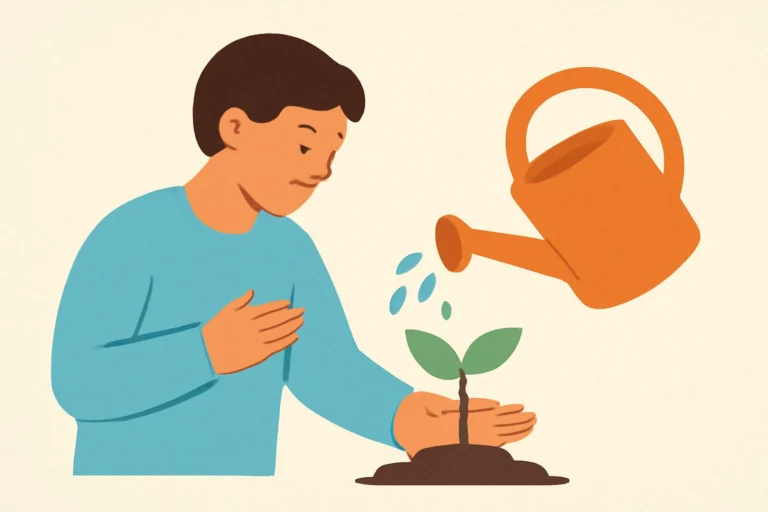
Good Stewardship Meaning: What It Is, Why It Matters, and How to Practice It
Across cultures and eras, the idea of good stewardship has served as a compass for how people manage resources, care for others, and plan for a future that is better than the present. While the term can appear in spiritual, civic, or corporate contexts, at its core stewardship is about responsibility: recognizing that what we hold—whether land, money, information, or trust—belongs to something larger than ourselves and must be tended with care. In this article, we explore the meaning of good stewardship, why it matters in personal life and society, and practical ways to practice it every day. By examining the breadth of this concept and offering concrete steps, we can make the practice of stewardship a habit that honors people, places, and principles alike.
The phrase good stewardship meaning is not limited to one discipline or institution. It spans personal ethics, community life, environmental protection, and organizational governance. At its heart, stewardship invites a shift from short-term gain to long-range responsibility. It asks: What is the right thing to do with the resources at hand, given the needs of future generations, the rights and dignity of others, and the integrity of the systems we depend on?
Expanded definition and applications of good stewardship often include the following dimensions:
Accountability: Stewards are answerable for outcomes, transparency, and the ethics of their decisions.
Care for the vulnerable: A central element is ensuring that those who have fewer means or less power are not left behind.
Long-term thinking: Stewardship requires looking beyond the next quarterly report or the next election and considering impacts over decades.
Resource integrity: Resources—natural, financial, informational, cultural—should be used wisely, conserved where possible, and renewed where feasible.
Respect for interconnectedness: All systems are interdependent; actions in one sphere ripple through others.
Participatory leadership: Involving communities and stakeholders leads to more robust and legitimate outcomes.
Ethical governance: Stewardship implies adherence to values such as fairness, honesty, and humility in leadership.
To appreciate the good stewardship meaning in context, consider several everyday scenarios. In a household, stewardship may translate into budgeting resources responsibly, reducing waste, and sharing responsibilities to support family well-being. In a workplace, it can mean managing organizational resources with transparency and ensuring that decisions align with core values and societal expectations. In communities, it involves safeguarding public goods such as parks, libraries, and water, while fostering inclusive participation. In the natural environment, good stewardship is about stewardship of ecosystems—protecting biodiversity, mitigating pollution, and restoring damaged habitats. In digital life, it includes protecting privacy, securing data, and curating information in ways that honor truth and trust. Each domain uses the same underlying principle: act with care for others and the long arc of time in mind.
Foundations of the concept
Several foundational ideas recur across different cultures when people discuss good stewardship meaning:
Ethical responsibility: Actions should be guided by moral norms such as fairness, compassion, and honesty.
Mutual obligation: Individuals, organizations, and communities owe duties to one another and to future generations.
Humility: Recognizing that one’s own knowledge is limited and that stewardship involves listening and learning.
Prudence: Weighing risks and benefits, anticipating unintended consequences, and choosing safe, sustainable paths.
Steward identity: Seeing oneself as a custodian rather than an owner, which reframes decisions and priorities.
In practice, the meaning of good stewardship grows when it is anchored in lived values. For some people, this means religious or spiritual commitments; for others, it means civic ethics or professional codes. Regardless of the frame, the consistent thread is a commitment to care, responsibility, and durable well-being.
Why It Matters
Delving into why stewardship matters helps illuminate its relevance across personal and collective life. When stewardship is practiced, communities tend to become more resilient, systems more robust, and futures more secure. Here are several core reasons to value good stewardship:
Ethical alignment and trust
People are more likely to trust leaders and institutions that demonstrate accountability and transparent decision-making. When stakeholders observe that resources are managed with care and equity, social cohesion strengthens and collaboration grows. This trust is not merely sentimental; it translates into improved outcomes, lower transaction costs in governance, and greater willingness to contribute time and money to shared goals.
Systems—whether ecological, financial, or social—are vulnerable to shocks and gradual declines. Long-term thinking helps buffer against those risks, enabling better preparedness, redundancy, and adaptive capacity. By prioritizing durable solutions (for example, investing in preventive maintenance, education, or environmental restoration), communities reduce the likelihood of brittle recoveries after crises.
Equity and inclusion
Stewardship naturally foregrounds the needs of the most vulnerable. When decision-makers actively consider who bears costs and who benefits, policies and practices become more equitable. This focus on inclusion strengthens legitimacy and broadens participation, which in turn improves the quality of outcomes.
Resource stewardship in a finite world
Many resources are finite or fragile. From clean air and water to minerals and fossil fuels, responsible stewardship compels us to curb waste, invest in efficiency, and explore sustainable alternatives. This shift is not only environmentally prudent; it also has economic benefits, such as reducing reliance on volatile markets and creating opportunities for innovation.
Cultural and ethical continuity
Preserving cultural heritage, languages, and shared customs can be seen as a form of stewardship. Protecting these assets maintains identity, memory, and moral guidance for future generations. In this sense, cultural stewardship complements environmental and economic stewardship by nurturing the social fabric that holds communities together.
How to Practice It
Practicing good stewardship is not an abstract aspiration; it is a set of practical practices that individuals, families, organizations, and governments can adopt. Below is a comprehensive framework that captures actionable steps across several domains.
In daily life and households
Audit consumption: Track energy, water, and waste to identify opportunities to reduce, reuse, and recycle.
Budget with intention: Allocate resources to essentials, savings, and investments that improve community well-being and future security.
Share and collaborate: Use pooling, lending libraries, and community resources to reduce duplication and expand access.
Educate and model: Teach children and peers about values such as integrity, generosity, and responsibility through everyday actions.
In workplaces and organizations
Embed stewardship in mission and governance: Align strategy with ethical principles, stakeholder input, and long-term impact.
Practice transparent decision-making: Publish rationale, data, and anticipated outcomes of major decisions.
Invest in people and systems: Prioritize training, fair compensation, and robust risk management to sustain performance.
Measure and report impact: Use clear metrics to track environmental, social, and governance (ESG) outcomes.
In communities and civil society
Protect public goods: Advocate for clean air and water, safe infrastructure, and access to essential services.
Encourage inclusive participation: Create spaces where diverse voices can contribute to decisions that affect shared life.
Build partnerships: Collaborate across sectors to pool resources for community resilience and innovation.
Mentor stewardship leaders: Support the development of local leaders who model ethical governance and care for others.
In the environment and natural resources
Adopt sustainable practices: Conserve energy, protect ecosystems, and reduce pollution in everyday activities.
Support restoration projects: Participate in reforestation, habitat restoration, and watershed management.
Use nature-based solutions: Embrace approaches that work with ecological processes rather than against them.
Promote regenerative approaches: Move beyond mere sustainability toward systems that restore and enhance natural capital.
In governance and policy
Implement accountable systems: Strengthen checks and balances, independent oversight, and transparent budgeting.
Center the most affected voices: Ensure that policies reflect the lived experiences of marginalized communities.
Plan for intergenerational outcomes: Prioritize investments that pay dividends for future citizens and ecosystems.
Foster ethical leadership: Encourage leaders who model humility, courage, and service.
Domains of Stewardship in Daily Life
While the concept of good stewardship spans the spectrum from personal ethics to global governance, it is often helpful to carve it into concrete domains where people can apply deliberate practices. The following domains illustrate how stewardship meaning translates into everyday decisions and long-term strategies.
Resource stewardship (natural, financial, human): Using resources wisely, investing in maintenance, reducing waste, and supporting fair labor practices.
Knowledge and information stewardship: Respecting accuracy, guarding privacy, and sharing information responsibly to avoid harm and misinformation.
Health and well-being stewardship: Prioritizing health equity, preventive care, and access to mental and physical well-being resources for all.
Cultural and historical stewardship: Preserving languages, arts, traditions, and historical artifacts that define community identity.
Environmental stewardship: Protecting ecosystems, promoting biodiversity, and addressing climate impacts in personal and collective actions.
Financial stewardship: Managing wealth with prudence, fairness, and stewardship for future generations.
Digital stewardship: Safeguarding data, supporting digital accessibility, and curating online spaces that respect human dignity.
To ensure that stewardship efforts yield meaningful outcomes, it is essential to measure progress and reflect on lessons learned. Without accountability and feedback, even well-intentioned practices can drift or lose impact over time. Here are strategies for evaluating the practice of stewardship in real-world settings.
Impact metrics: Reduction in waste, energy savings, water conservation, emissions reductions, and improvements in biodiversity indicators.
Equity metrics: Access to services, representation in decision-making, and distribution of benefits across populations.
Transparency metrics: Availability of data, clarity of reporting, and stakeholder satisfaction with governance processes.
Resilience metrics: Response times to crises, redundancy of critical systems, and adaptability of organizations.
Learning metrics: Documentation of best practices, adoption of new knowledge, and ongoing education within a community or organization.
Reflection practices
Periodic audits: Schedule regular reviews of resources used and impacts achieved, with inclusive input from stakeholders.
After-action reviews: After events or projects, assess what worked, what did not, and why, and commit to improvements.
Storytelling and narrative: Collect personal and community stories that illustrate stewardship in action, reinforcing values and accountability.
Adjustment and learning loops: Use feedback to revise strategies, adapt goals, and reallocate resources as needed.
Culture, Policy, and Leadership
Fundamental changes in stewardship culture require alignment across culture, policy, and leadership. When institutions embed stewardship in their identity, values, and operations, sustainable practices become the default rather than the exception.
Designing policy for stewardship
Embed stewardship in mission statements: Clarify how decisions will honor future generations, protect vulnerable populations, and maintain ecological integrity.
Institutionalize accountability: Create independent oversight bodies, transparent reporting, and consequences for failed stewardship.
Promote participatory governance: Involve communities, frontline workers, and diverse voices in policy development and evaluation.
Balance innovation with precaution: Encourage experimentation while protecting against irreversible harms.
Leadership approaches that foster stewardship
Lead by example: Publicly model responsible behavior, humility, and commitment to the common good.
Prioritize collaborative leadership: Build coalitions across sectors to share risk, resources, and expertise.
Practice transparent accountability: Communicate decisions, trade-offs, and outcomes openly with stakeholders.
Invest in capacity building: Support skills development, governance training, and the growth of stewardship-focused professionals.
Common Challenges and How to Overcome Them
Even with strong intentions, deploying good stewardship faces obstacles. Being aware of these challenges helps individuals and organizations design more effective practices and avoid stagnation.
Short-term pressures: Market demands, political cycles, or immediate crises can tempt decisions that neglect long-term fairness. Counteraction: build buffers, tie incentives to long-term outcomes, and communicate the long-run benefits of prudent choices.
Competing values: Different stakeholders may have conflicting priorities. Counteraction: foster inclusive dialogue, clarify shared values, and seek equitable compromises that respect the needs of the most vulnerable.
Limited information: Uncertainty about consequences can impede action. Counteraction: gather diverse data, pilot carefully, and implement adaptive management with clear review points.
Resource constraints: Financial or material limits can hinder stewardship investments. Counteraction: prioritize high-leverage actions, pursue partnerships, and seek grant or community support to extend impact.
Cultural barriers: Norms and habits may resist change. Counteraction: use storytelling, mentorship, and visible endorsements from trusted figures to shift culture gradually.
Stories of Stewardship: Real-World Illustrations
Across sectors, people demonstrate stewardship meaning through concrete successes and thoughtful responses to failure. Here are brief sketches of how the practice of stewardship plays out in varied contexts:
Community garden networks: Neighborhood groups leverage shared plots, composting programs, and volunteer education to transform vacant land into resilient food sources while building social trust and civic capacity.
Corporate social responsibility with depth: A company integrates ESG metrics into core governance, ties executive compensation to long-term impact, and collaborates with local communities to address environmental justice concerns.
Indigenous and local knowledge stewardship: Communities preserve traditional ecological knowledge, combine it with scientific insights, and co-manage natural resources to sustain ecosystems and livelihoods.
Public health and preventive care: Health systems invest in prevention, equity-focused outreach, and data privacy protections to improve outcomes for marginalized groups.
Digital ethics initiatives: Organizations adopt responsible data practices, transparent algorithmic governance, and inclusive design that respects user autonomy and privacy.
These examples show that good stewardship meaning crystallizes when leaders listen, act with foresight, and commit to service beyond self-interest. They demonstrate how a stewardship mindset can yield practical benefits such as increased trust, better risk management, and stronger community cohesion.
Why Individuals Should Care About Stewardship
While institutions often carry the mantle of stewardship, individual action remains indispensable. The choices each person makes—how they vote, how they spend, how they interact online, and how they care for others—help determine whether stewardship becomes a lived reality or a hollow phrase. Here are reasons to care at the personal level:
Personal integrity: Acting with stewardship aligns behavior with deeply held values, reducing cognitive dissonance and promoting inner coherence.
Legacy: Individuals influence the kind of world they leave for their children, students, and neighbors. Stewardship shapes that legacy.
Learning and growth: Practicing stewardship invites reflection, accountability, and continuous improvement in one’s skills and character.
Collective impact: Small, consistent actions accumulate into meaningful change when joined by others who share the same aim.
Frequently Used Variations on Stewardship Language
To capture the breadth of good stewardship in different contexts, people often employ a set of related terms. Here are common synonyms and near-synonyms that reflect the stewardship meaning while expanding semantic nuance:
Custodianship and custodian leadership: Emphasizing guardianship and protective care.
Resource governance: Highlighting formal processes, rules, and accountability structures around assets.
Ethical stewardship: Focusing on moral and value-centered decision-making.
Responsible management: A pragmatic framing that stresses efficiency, risk control, and sustainability.
Intergenerational stewardship: Emphasizing responsibility to future generations and the long arc of time.
Environmental guardianship: Centering ecological protection and the health of natural systems.
Using these variations helps communicators tailor messages to audiences ranging from faith-based communities to corporate boards to student clubs, while preserving the core meaning of stewardship as care, accountability, and foresight.
If you want to begin or deepen your practice of good stewardship, here are practical tools and resources that can support action, reflection, and accountability:
Stewardship checklists: Quick, repeatable prompts that help you assess decisions against values like fairness, transparency, and long-term impact.
Impact dashboards: Simple dashboards that track key performance indicators related to environmental, social, and governance outcomes.
Community listening sessions: Structured opportunities for diverse voices to contribute to planning and evaluation processes.
Ethics and compliance frameworks: Guidelines that translate abstract values into concrete policies, procedures, and expectations.
Educational programs: Curricula, workshops, and mentorship networks that cultivate stewardship skills across generations.
Whether you are an individual seeking to live more responsibly, a business leader aiming to align strategy with ethics, or a government official responsible for public goods, these tools can help translate the meaning of stewardship into measurable, reproducible practice.
Putting It All Together: A Personal Plan for Stewardship
To turn the concept of good stewardship into daily life, you might consider creating a personal or organizational plan that includes vision, goals, actions, and accountability. Here is a simple framework you can adapt:
Define your stewardship vision: Write a concise statement that describes what you want to protect, for whom, and for how long.
Identify core values: List the values—such as fairness, honesty, and resilience—that will guide decision-making.
Assess current state: Inventory resources, risks, and opportunities across the domains that matter to you (environment, community, finances, information).
Set measurable goals: Choose 3–5 concrete targets (e.g., reduce waste by 30% in a year, increase volunteer hours, improve data privacy practices).
Design actionable steps: Break goals into small, repeatable actions with clear owners and timelines.
Build accountability mechanisms: Establish reporting, feedback loops, and regular reviews with stakeholders.
Learn and adjust: Reflect on what works, what doesn’t, and how to improve; revise goals as conditions change.
Celebrate progress: Recognize contributions and share successes to inspire ongoing engagement.
By following such a plan, you reinforce the habit of stewardship and turn an abstract ideal into practical, repeatable actions that benefit people and the planet alike.
A Final Note on the Promise of Stewardship
Ultimately, the purpose of good stewardship is to align what we value with how we act. When individuals, organizations, and communities embrace stewardship as a living practice rather than a slogan, they create stronger bonds, safer environments, and fairer systems. This alignment does not guarantee a flawless world, but it increases the likelihood that our decisions today will preserve opportunity, dignity, and hope for tomorrow. In a world facing environmental strain, social fragmentation, and rapid technological change, the discipline of stewardship offers a humane and practical path forward. If you adopt even a few of the steps outlined above and apply them consistently, you can contribute to a culture where the meaning of good stewardship is not merely discussed but ingrained in everyday life.