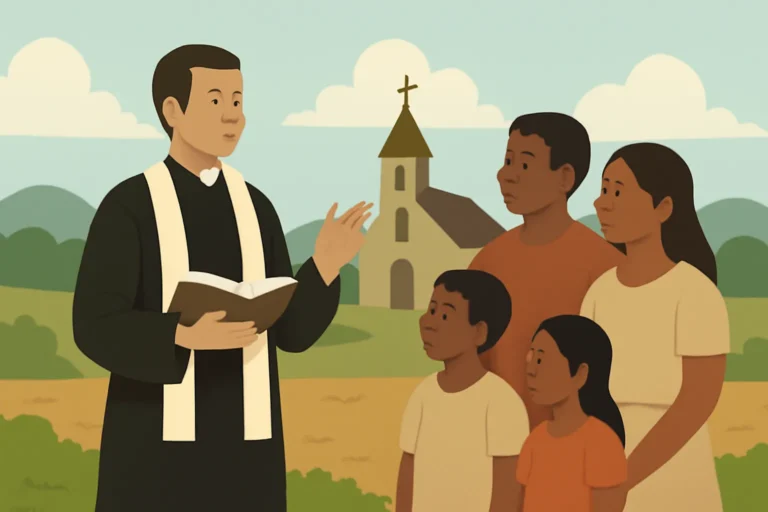
Effective Evangelism: Practical Strategies for Sharing the Gospel
Effective evangelism, when done with wisdom and care, is more than a program or a set of tactics. It is a disciplined, gospel-centered practice that honors people, speaks truth clearly, and invites them into a transforming relationship with God. In this article we explore practical strategies for sharing the gospel, offering a comprehensive look at how to proceed with courage and compassion in a variety of contexts. Whether you are part of a local church, a ministry team, or an individual believer committed to outreach, the principles below are designed to be adaptable, sustainable, and culturally sensitive. The aim is not merely to convince someone to “make a decision” but to invite them into a living, ongoing path of following Jesus.
Healthy outreach rests on a few non-negotiable foundations. They shape the way we relate, communicate, and measure progress. When these anchors are in place, gospel-centered outreach becomes natural rather than forced, and the message can be heard with greater clarity.
Gospel clarity is essential. The core message should be presented in a way that is understandable, brief, and compelling without compromising essential truth.
Relational integrity matters. People are most open when they feel respected, listened to, and treated with dignity.
Humility and courage go hand in hand. We must be honest about our own limitations, while boldly inviting others to consider the claims of Christ.
Contextual sensitivity helps the message land. Understanding culture, language, and life circumstances allows the gospel to be communicated in meaningful ways.
Grace-filled patience sustains long-term engagement. Not every conversation ends in conversion, but every exchange can cultivate trust and curiosity.
Clarity, Character, and Consistency
Three intertwined dimensions shape effective evangelism. First, clarity ensures the message is heard: what is God like, what is humanity’s need, and what is the invitation God offers? Second, character demonstrates the fruit of the Spirit: love, joy, peace, kindness, and self-control. Third, consistency builds credibility; over time, one’s life and words should align in ways that reinforce the message being shared. When these three come together, the gospel can be communicated with a trust-building rhythm that invites people to explore faith without pressure.
Understanding the Audience: Cultural Sensitivity and Listening
Effective evangelism begins not with talking, but with listening. The most powerful ambassadors for the gospel are often those who know how to hear the stories, questions, fears, and aspirations of the people they hope to reach.
Listening as a Strategic Practice
Active listening shows respect and creates space for honest dialogue. It also helps identify areas of doubt, misconceptions, and desires that the gospel uniquely addresses. Give attention to:
Personal narratives and life experiences that shape belief systems.
Religious backgrounds and exposure to Christian faith.
Language and terminology preferred by the audience.
Practical needs that gospel truth can speak into, such as meaning, justice, forgiveness, or hope.
Contextualizing Without Compromise
Contextualization means presenting the same core truths in ways that are meaningful within a given culture. This involves careful word choice, relatable illustrations, and examples that resonate with everyday life. Contextualized messaging preserves gospel integrity while meeting people where they are.
Case Studies in Context
Consider scenarios where gospel articulation is adapted to local realities:
In a university town, explaining the relevance of faith to questions about identity, purpose, and responsibility.
In a cosmopolitan city, highlighting the universal elements of love, justice, and human dignity in the gospel story.
In a rural community, using concrete metaphors from daily life such as stewardship, work, and family obligations.
The Posture of the Evangelist: Humility, Respect, and Courage
The way a person embodies the gospel matters almost as much as what they say. The best outreach flows from a posture of humility, respect for others, and courageous proclamation of truth when appropriate.
Relational Witness Over Theatrical Volunteering
Strong paths to faith are often built through long-term relationships rather than isolated conversations. The aim is not to check a box but to be a reliable presence in someone’s life, showing the love of Christ through consistent actions, reliability, and generosity.
Hospitality as a gateway. Inviting someone into your life through shared meals, conversation, and service demonstrates the love of Christ in tangible ways.
Respectful challenge when necessary. When a question or doubt arises, respond with gentleness, clarity, and patience.
Honoring freedom to explore. People often need space to think; pressure can harden resistance.
Proclamation with Care
Clear proclamation remains essential. When presenting the good news, distinguish between sharing the message and coercing a decision. Invite, persuade with reason, and honor the person’s journey, recognizing that faith is a response to divine grace as much as human testimony.
The Content of the Gospel: Core Truths in Clear Language
Even as methods vary, the gospel message has core elements that should be communicated with clarity. Recognizing these essentials helps ensure that gospel-centered communication remains faithful across contexts.
Creation and purpose: Human beings are created in the image of God, designed for relationship with Him, and thus deeply valuable.
Sin and brokenness: Humanity’s rebellion and its consequences separate people from God and stunt true flourishing.
Christ and redemption: Jesus’ life, death, and resurrection address the problem of sin, offering forgiveness and new life.
Faith and response: Trust in Christ is the means by which a person enters a relationship with God, not merely a mental agreement but a life response.
New life and mission: Following Jesus involves ongoing growth, community, holiness, and participation in God’s work in the world.
In presenting these truths, use accessible language and concrete illustrations. The goal is to help someone grasp why the gospel matters, how it intersects with daily life, and what it means to respond with faith and repentance.
Illustrative Aids and Brief Explanations
Consider these concise frames that can accompany the core message, each designed to be brief enough for casual conversations yet deep enough to invite reflection:
Bridge language: A short explanation that connects God’s love to human need, often useful in casual settings.
Two-ways to respond: Invite belief and/or explore questions, acknowledging that faith is a process for many people.
Hope-centered outcomes: Emphasize transformation, forgiveness, and purpose rather than mere change of belief.
Methods of Sharing: Relational Evangelism, Proclamation, and Service
Different contexts require different blends of approaches. The most effective outreach often combines several strands in a coherent, ministry-wide strategy rather than relying on a single tactic.
Relational Evangelism
Relational evangelism puts relationships at the center. It grows out of genuine friendship, shared life, and a respectful curiosity about another’s beliefs.
Ask thoughtful questions that invite reflection rather than corner people into a debate.
Share personal testimony with integrity, focusing on how faith has shaped life, not merely what you believe.
Offer ongoing companionship through prayer support, study groups, or service projects.
Proclamation and Explanation
Clear, concise proclamation can be powerful, especially in situations where the audience is open to exploring faith questions. Keep explanations brief, evidence-based where possible, and anchored in the person of Christ.
Present the gospel succinctly in 5 minutes or less when appropriate, with an invitation to continue the conversation.
Use questions to invite engagement, such as “What do you think about this claim?”
Provide follow-up resources—books, sermons, or conversations—that allow deeper exploration.
Service as a Bridge
Demonstrating love through actions often lowers resistance to spiritual questions. Service can open doors for meaningful dialogue about God’s purposes in the world.
Community projects that meet tangible needs create shared experiences and trust.
Micro-evangelism through acts of generosity, hospitality, and mercy that point to a larger good.
Partnership with local organizations to serve people in practical, sustainable ways.
Practical Roadmap: Step-by-Step Approach to Sharing the Gospel
A practical framework helps believers stay organized and avoid burnout. The following steps can guide personal outreach, small-group initiatives, or church-wide campaigns while leaving room for adaptation.
Step 1: Pray with Purpose
Prayer aligns the heart with God’s will and invites the Holy Spirit to open doors. Pray for opportunities, for open hearts, and for wisdom in conversations.
Ask God to prepare you and others for meaningful encounters.
Pray for specific people by name, asking for courage, clarity, and love in conversations.
Pray for spiritual protection against manipulation or coercion, both for yourself and for others.
Step 2: Build Healthy Relationships
Healthy relationships create safe spaces for honest dialogue. Invest time in listening, serving, and showing up consistently.
Initiate regular, low-pressure interactions—coffee, meals, or community events.
Practice hospitality and include others in shared life and activities.
Show respect for beliefs, even when questions differ, avoiding caricatures of opposing views.
Step 3: Listen First, Speak Second
Listening gathers essential information about beliefs and questions. When you speak, connect your words to what you have learned from listening.
Ask open-ended questions like, “What aspects of faith matter most to you?”
Summarize what you’ve heard to ensure understanding before offering your perspective.
Share the gospel in relation to the person’s specific concerns or life experiences.
Step 4: Present with Clarity and Charity
Be concise, avoid jargon, and link the message to real-life implications. Invite questions and offer to continue the conversation.
Share the core truths in simple terms, using concrete examples.
Offer a personal testimony that highlights transformation, not just doctrine.
Extend an invitation to explore faith further—study groups, listening sessions, or guided readings.
Step 5: Follow Up with Care
After conversations, follow up with resources, prayer, and invitation for ongoing dialogue. Demonstrate that you value the relationship beyond a single encounter.
Provide accessible resources (books, videos, online courses) that align with the person’s interests.
Invite to ongoing discussions or community events that explore faith in a welcoming environment.
Celebrate any step forward, however small, and remain patient through any setbacks.
Objections are a natural part of evangelism. Responding to questions with humility and factual clarity is a mark of gentle, persuasive communication.
Common Objections and Thoughtful Responses
“I’m not religious, I’m spiritual but not religious.” Acknowledge sincere spirituality, then point to the person of Christ and the God who pursues a relationship with people.
“There are many paths to God.” Clarify how the gospel presents Jesus as the unique, sufficient way while showing respect for sincere beliefs in others.
“If God is loving, why is there suffering?” Provide a compassionate, theologically honest explanation that acknowledges pain while pointing to Christ’s redemptive work.
“I’m not sure I can believe in miracles.” Offer historical and evidential considerations, and invite inquiry while emphasizing the personal relevance of Jesus’ life and teachings.
In all cases, truth-telling with tenderness should guide the conversation. Avoid a defensive posture, listen for the underlying concern, and respond with patient reasoning and empathy.
When to Stand Firm and When to Step Back
There are moments for bold proclamation and moments for cautious listening. A healthy evangelism culture recognizes:
The timing of a decisive invitation; sometimes more time is needed for someone to consider the claims.
The importance of not pressuring a person beyond their capacity to respond in freedom.
The value of continuing relationship regardless of a short-term outcome.
Contextualization and Faithful Communication
Contextualization is not compromise. It is the art of presenting the same gospel message in ways that speak clearly to a given culture, language, or life stage while preserving the core truths and the authority of Scripture.
Strategies for Contextual Clarity
Language choice: use terms that the audience understands; avoid insider jargon that alienates listeners.
Relevant illustrations: draw from common experiences—work, family, education, and community life—to illuminate gospel concepts.
Analogies and stories: stories can reveal foundational truth in memorable ways without distorting doctrine.
Contextualized communication should always be anchored in a clear representation of the gospel’s historic core while using local expressions that help people grasp truth. The goal is not novelty; it is faithfulness expressed in a language that people can hear and respond to.
Ethical Considerations
Ethics must govern evangelistic practice. This includes truthful presentation, consent in conversations, and respect for personal boundaries. Ethical evangelism guards against manipulation, coercion, or the reduction of people to a mere target audience. Instead, see each person as a bearer of God’s image with legitimate questions and a real life story.
Tools and Disciplines for Sustainable Outreach
A durable practice of evangelism is sustained by spiritual disciplines, community accountability, and strategic planning. The following tools help maintain momentum without burning out.
Spiritual Practices
Prayer for opportunities, for wisdom in conversations, and for the transformation of hearts.
Scripture engagement to deepen one’s own understanding of the gospel and to prepare for questions that arise in conversations.
Fasting and solitude as practices that recalibrate priorities and dependence on God.
Communities of Accountability
Mentoring relationships with mature believers who can model gospel-centered living and provide feedback on outreach approaches.
Peer groups for debriefing conversations, sharing successes, and learning from challenges.
Ethical codes that outline boundaries, consent, and respectful engagement with others.
Content and Content Creation
In the digital age, thoughtful content can extend the reach of personal evangelism. Build a library of resources that reflect fidelity to the gospel and accessibility for diverse audiences.
Short videos explaining core truths in under 3 minutes.
Blog posts and apologetic resources that address common questions with empathy and reason.
Study guides that help individuals or groups explore faith at their own pace.
Digital Platforms for Outreach: Online Evangelism
Online spaces offer abundant opportunities for thoughtful engagement, community-building, and gospel proclamation. Strategic online outreach should prioritize clarity, tone, and responsiveness.
Best Practices for Online Engagement
Respectful dialogue and patient listening in comment threads, messages, and forums.
Content strategy that blends teaching, testimony, and service-oriented posts.
Moderation and safety to protect participants from harassment while keeping conversations open and welcoming.
When creating online content, consider formats that invite interaction—Q&A videos, live chats, and reflective articles that encourage readers to respond with comments or questions. The online space is a powerful platform for presenting the gospel in accessible ways, while also connecting people to local communities where they can explore faith in person.
Training, Accountability, and the Health of the Movement
Any robust outreach endeavor requires training, ongoing evaluation, and community accountability. This protects the integrity of the message, ensures personal growth, and sustains the momentum of the evangelistic initiative.
Structured Training Programs
Foundational courses on biblical literacy, theology, and cross-cultural communication.
Practical workshops on listening skills, storytelling, and handling objections.
Practice assignments that allow learners to apply concepts in real-life settings.
Define healthy metrics that reflect both outcomes and process. Consider:
Qualitative indicators: growth in biblical literacy, increased compassion in conversations, and stronger relational ties.
Quantitative indicators: number of conversations, new partnerships, or participation in study groups.
Qualitative feedback: testimonies of individuals who engaged with faith through the outreach effort.
Regular debriefs, mentoring conversations, and transparent evaluations help the group adapt to changing contexts and keep the mission aligned with core convictions.
Building a Culture of Evangelism in a Community
Beyond individual interactions, the long-term health of any outreach effort depends on a culture that makes evangelism a shared value rather than a sporadic activity. This involves leadership, training, and everyday practices that normalize gospel-centered living.
Cultural Benchmarks for Congregations and Ministries
Vision alignment: a clear, shared understanding of why outreach matters and how it fits into the broader mission.
Volunteer empowerment: equipping more people to participate in outreach through training and resources.
Integrated ministries: service projects, mercy ministries, and evangelistic events that reinforce one another.
Ethics and Humility in the Community
A healthy evangelism culture guards against coercion, manipulation, or the dehumanization of those who hold different beliefs. It emphasizes truth in love, respecting the dignity of every person, and inviting sincere engagement rather than pressure-filled persuasion.
Equipping Next-Generation Witnesses
Invest in younger generations by providing mentorship, relevant training, and opportunities to practice sharing the gospel in safe, supportive environments. Encourage them to carry forward the legacy of compassionate, courageous outreach.
Assessment helps improve methods and demonstrate accountability. Yet metrics should be chosen carefully to avoid distorting priorities.
Balanced Metrics for Effective Evangelism
Depth of engagement: how deeply people explore questions, not just the number of conversations.
Quality of relationships: the growth of trust and mutual respect in ongoing interactions.
Discipleship outcomes: involvement in study groups, spiritual practices, and church community life.
Sustainability indicators: resource stewardship, volunteer retention, and healthy leadership turnover.
Remember that evangelism is not only about immediate conversions but about forming communities where faith can grow, questions can be answered, and followers of Jesus can thrive. Sustained impact emerges from patient cultivation, not rapid, isolated successes.
Any approach to sharing the gospel must be conducted with ethical clarity and a posture of integrity. This means respecting autonomy, avoiding pressure tactics, and acknowledging the legitimacy of doubts and questions.
Core Ethical Principles
Honor the image of every person and treat them with dignity, regardless of their response.
Honor freedom to choose, providing space for questions and exploratory conversation.
Honor accuracy, presenting the gospel faithfully and avoiding manipulation or misrepresentation.
Humility in evangelism is a strength. It allows the messenger to admit uncertainty, seek counsel, and learn from others. A humble witness can invite trust in ways that aggressive tactics never achieve.
Across traditions, effective evangelism takes many forms. The core is still the person and work of Jesus Christ, but the pathways to encounter differ. The following synthesis highlights effective evangelism in practice across contexts, offering a menu of approaches that can be tailored to local realities.
Gospel-centered outreach: keeping the message anchored in the person and work of Christ while addressing real-life questions.
Relational outreach: building trust through long-term friendships and service.
Proclamation-informed outreach: offering concise, compelling explanations of the gospel when opportunities arise.
Service-first outreach: demonstrating love through acts of mercy and justice to create gateways for conversation.
Digital outreach: leveraging online platforms to teach, discuss, and connect people to communities.
Youth and family outreach: engaging younger generations with language, formats, and contexts that resonate with their daily lives.
In every model, the united aim is faithful proclamation and compassionate witness, with an emphasis on the Spirit’s role in opening hearts and guiding conversations.
Effective evangelism is not a one-time event but a lifelong practice. It requires ongoing learning, adaptation, and dependence on God’s grace. By grounding outreach in the foundations outlined above, approaching others with humility, and sustaining the efforts through disciplined practices and accountable communities, believers can participate in a movement that is both deeply personal and broadly transformative.
As you engage with others, keep these guiding thoughts in your heart: the gospel speaks to the whole person, outreach is relational, and discipleship undergirds outreach. When these strands are woven together, effective evangelism becomes a natural expression of a life transformed by grace—one that invites others to explore faith with curiosity, courage, and kindness.
May your conversations be marked by clarity, your actions by compassion, and your patience by trust in God’s timing. The journey of sharing the good news is a shared one, and in every step there is a chance to demonstrate the love of Christ in ways that are compelling, hopeful, and true.